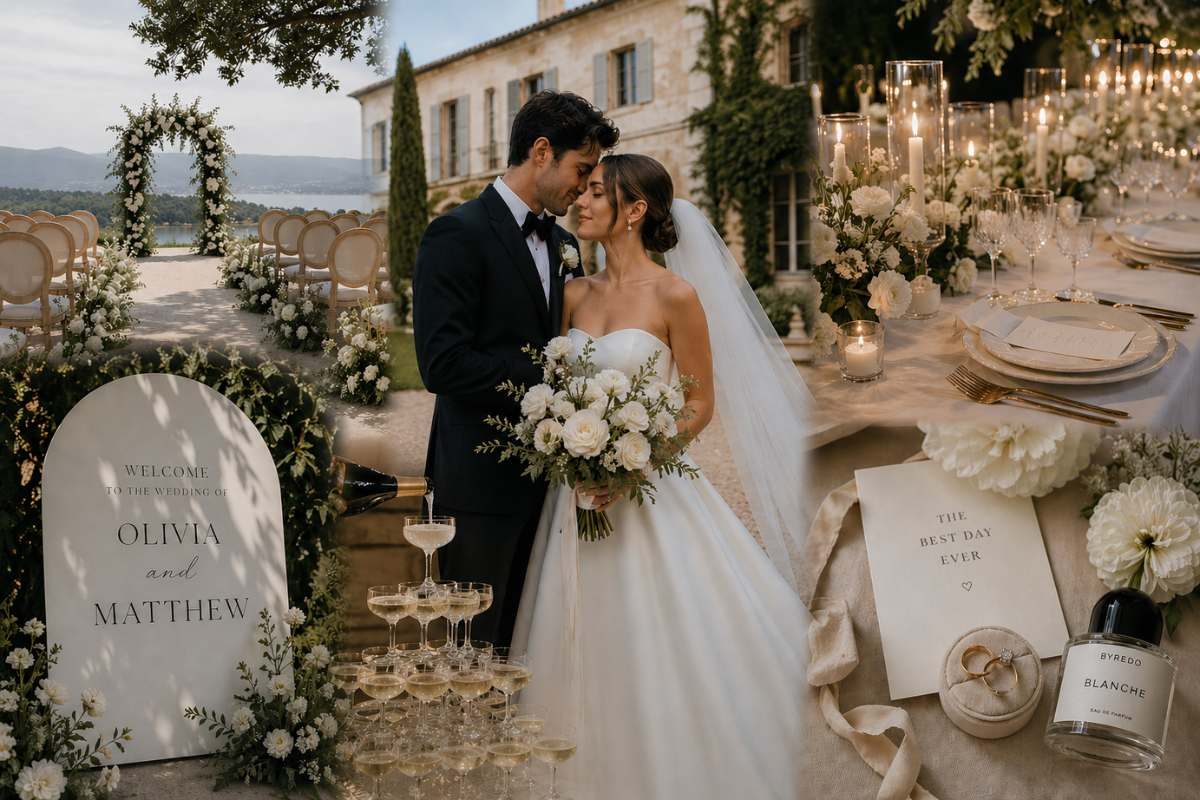

A chic wedding is not about adding more—it’s about choosing better. Many celebrations look beautiful at first glance but feel forgettable because they lack intention.
When decisions are driven by trends or pressure, the result often feels either cluttered or incomplete. Chic design focuses on balance, proportion, and clarity.
This guide will help you understand what truly defines a chic wedding, where mistakes commonly happen, and how to create a polished, elevated atmosphere without overdecorating.
How to Tell If Your Wedding Style Feels Chic
A chic wedding is defined by intention, not quantity. Every design choice should feel purposeful rather than added just to fill space.
Look at your setup as a whole. Does it feel calm, balanced, and consistent? Or does it feel scattered and overly styled? Chic weddings avoid visual noise by limiting colors, textures, and statement pieces.
If your décor feels edited, cohesive, and refined from every angle, you are on the right track. Simplicity paired with clarity is the strongest sign of a truly chic wedding style.
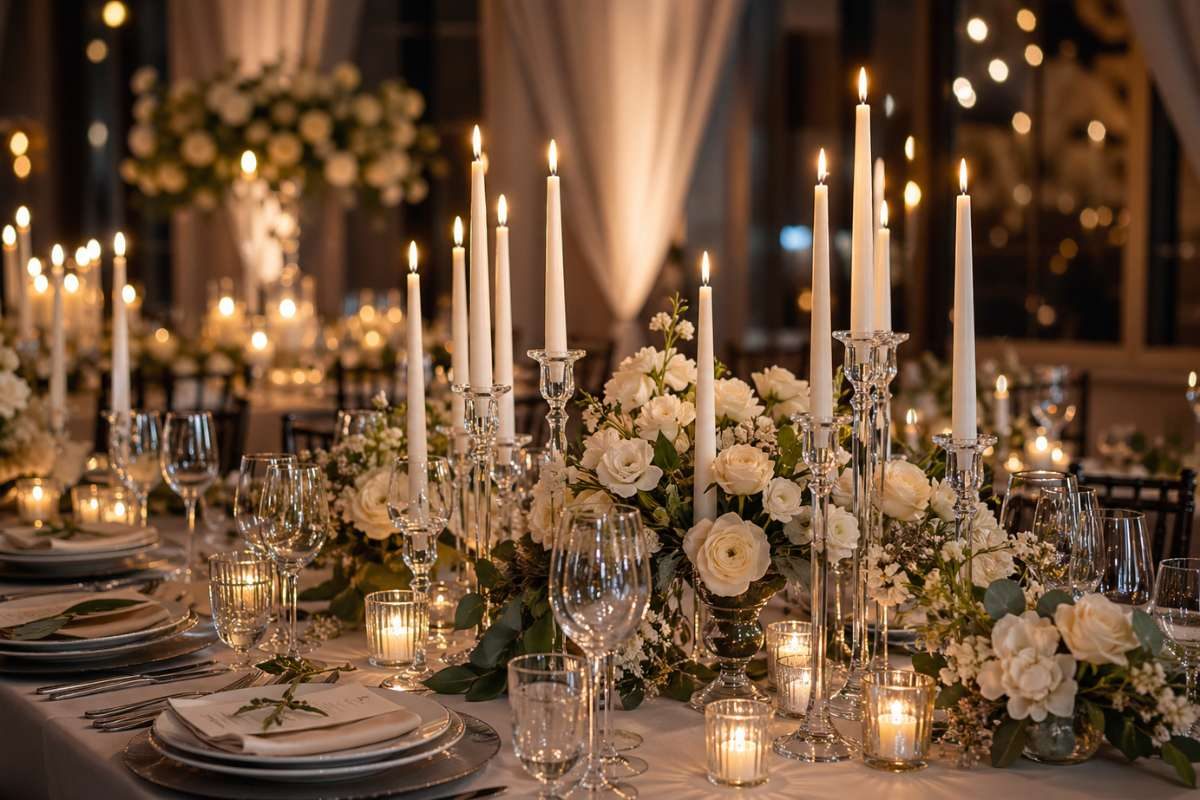
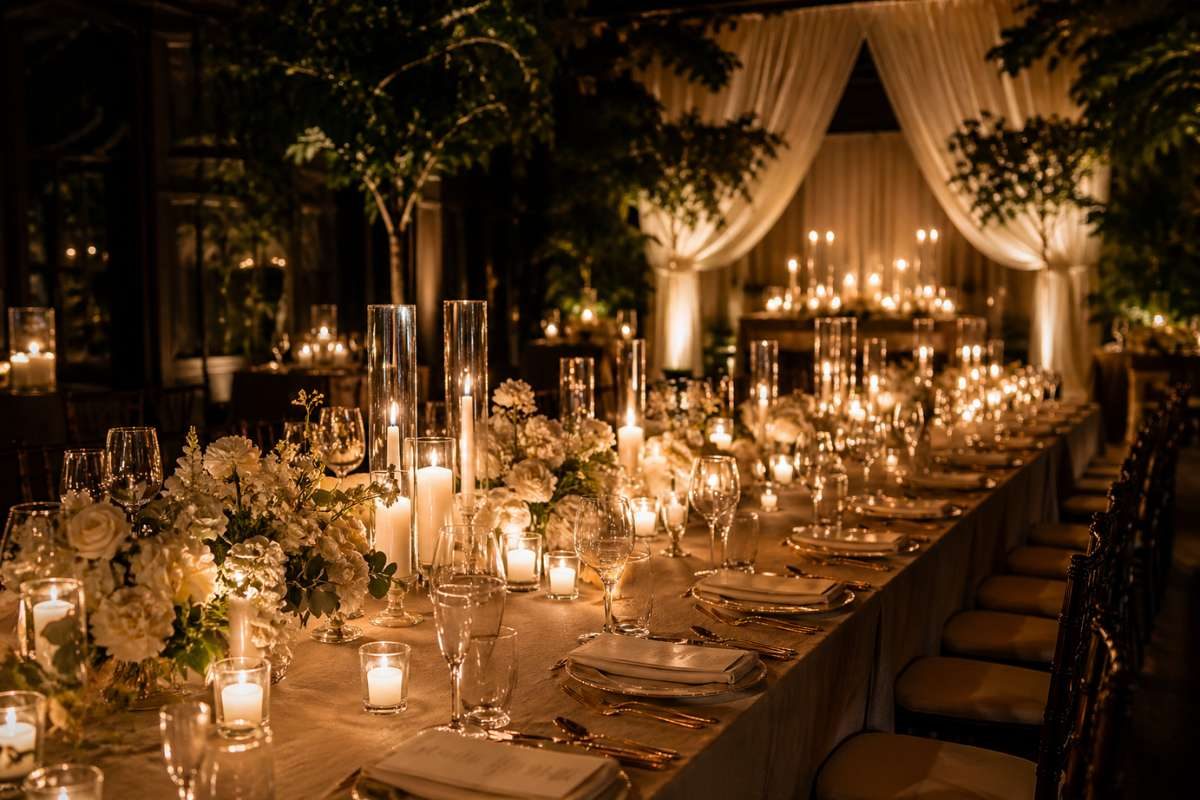
1. Layered Candlelight Elegance
Candles instantly elevate a table when used with intention. Tall tapers arranged in clusters create height and warmth without overcrowding the space.
Pairing clear holders with soft florals keeps the design light and breathable. Instead of competing for attention, each element works together to enhance the atmosphere.
This approach is especially effective for evening receptions, where lighting becomes the main design feature and sets a calm, refined tone for guests.
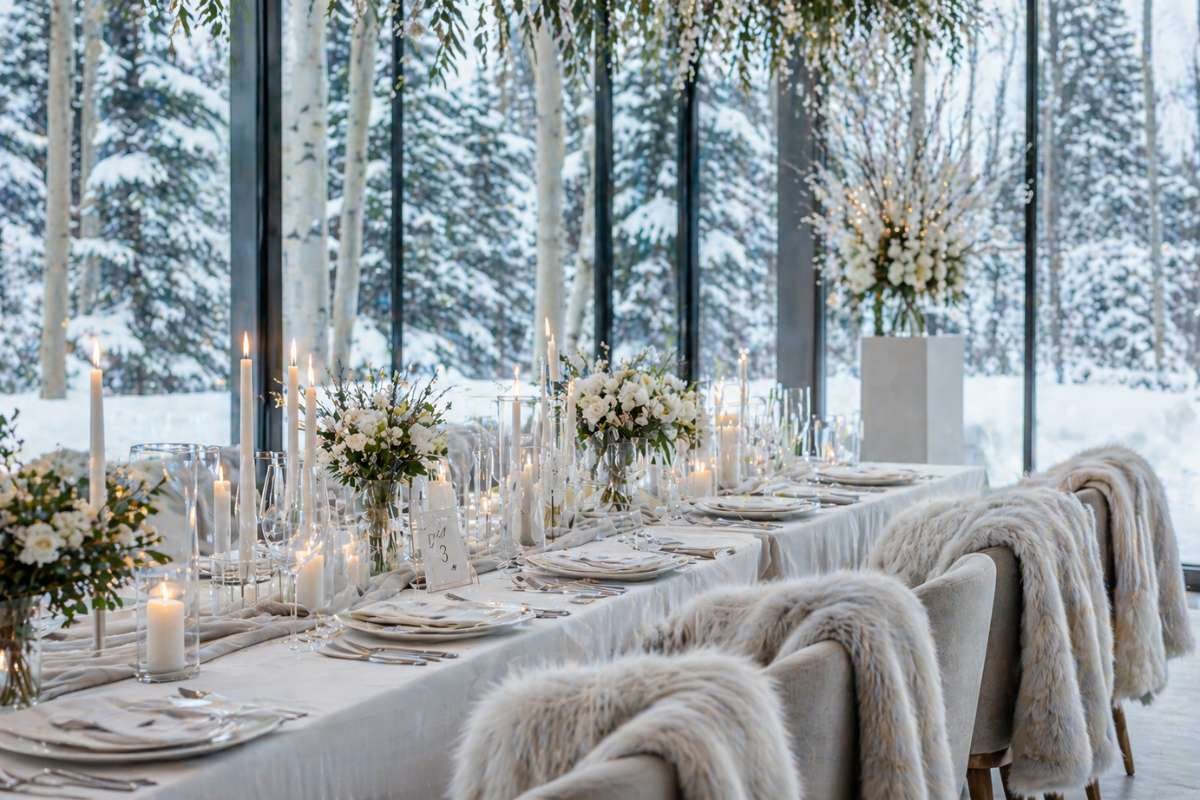
2. Minimalist Winter Styling
Winter weddings feel effortlessly chic when décor is kept minimal. Allow natural surroundings, like snow or cool tones, to take center stage.
Adding soft textures through seating or subtle fabrics introduces warmth without overwhelming the setting. Keeping florals simple maintains a clean and curated look.
By focusing on restraint, the overall atmosphere feels peaceful and elevated rather than overly decorated, allowing the natural beauty of the season to shine through.
3. Organic and Natural Elements
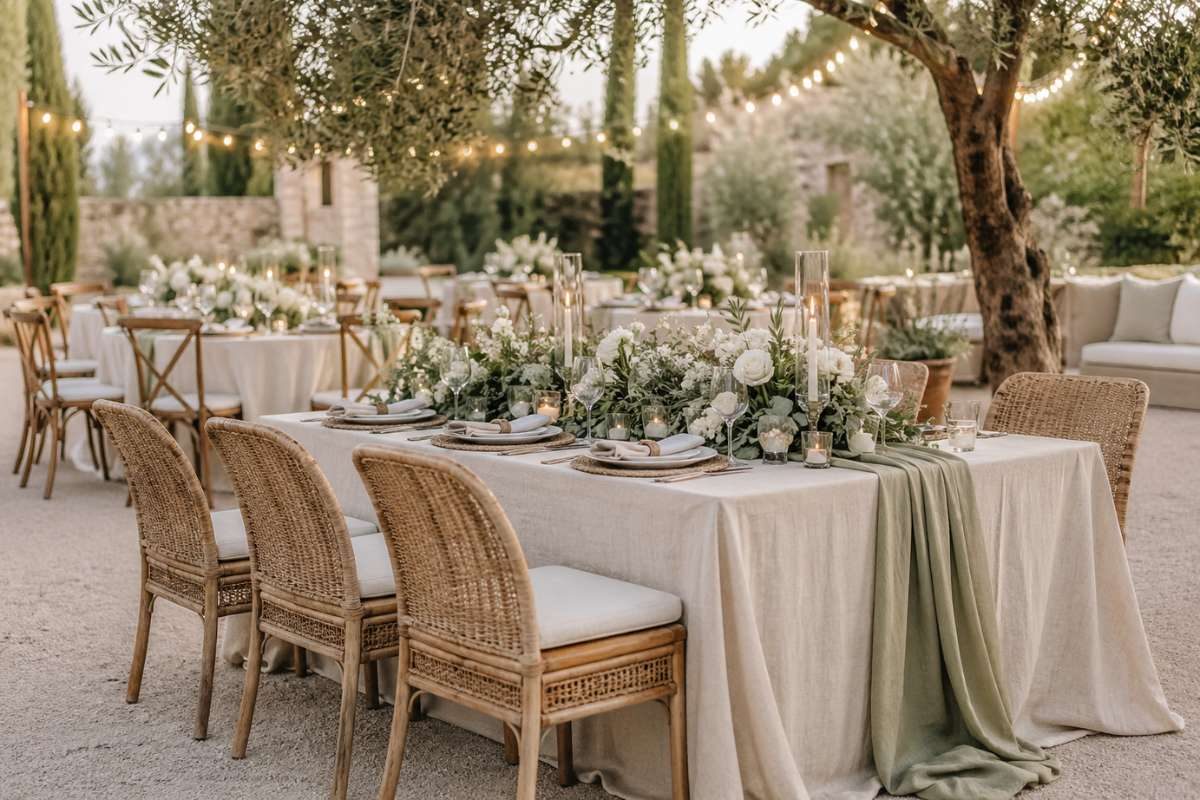
Using natural textures creates a grounded and elegant setting. Woven chairs, linen fabrics, and soft greenery bring depth without visual clutter.
Muted color palettes allow the surroundings to enhance the design rather than compete with it. This makes the entire setup feel cohesive and intentional.
This style works beautifully for outdoor weddings, where simplicity blends seamlessly with the environment, resulting in a look that feels both refined and effortless.
4. Refined Wooden Details
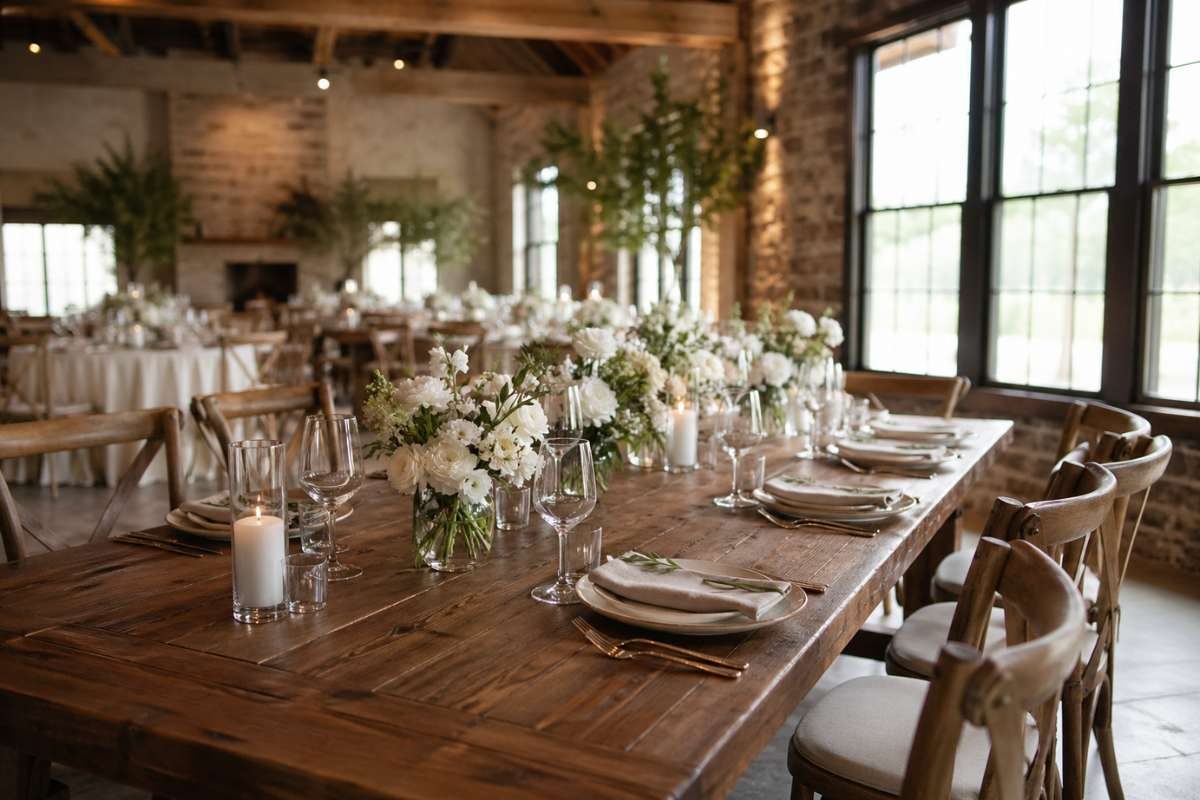
Wooden tables can feel incredibly chic when styled with restraint. Instead of covering them, highlight their natural beauty with minimal décor.
Soft florals and neutral table settings create balance while allowing craftsmanship to stand out. The goal is to enhance, not hide, the material.
This approach works best in venues with architectural character, where the structure itself contributes to the overall design and reduces the need for excessive styling.
5. Clean and Structured Table Layouts
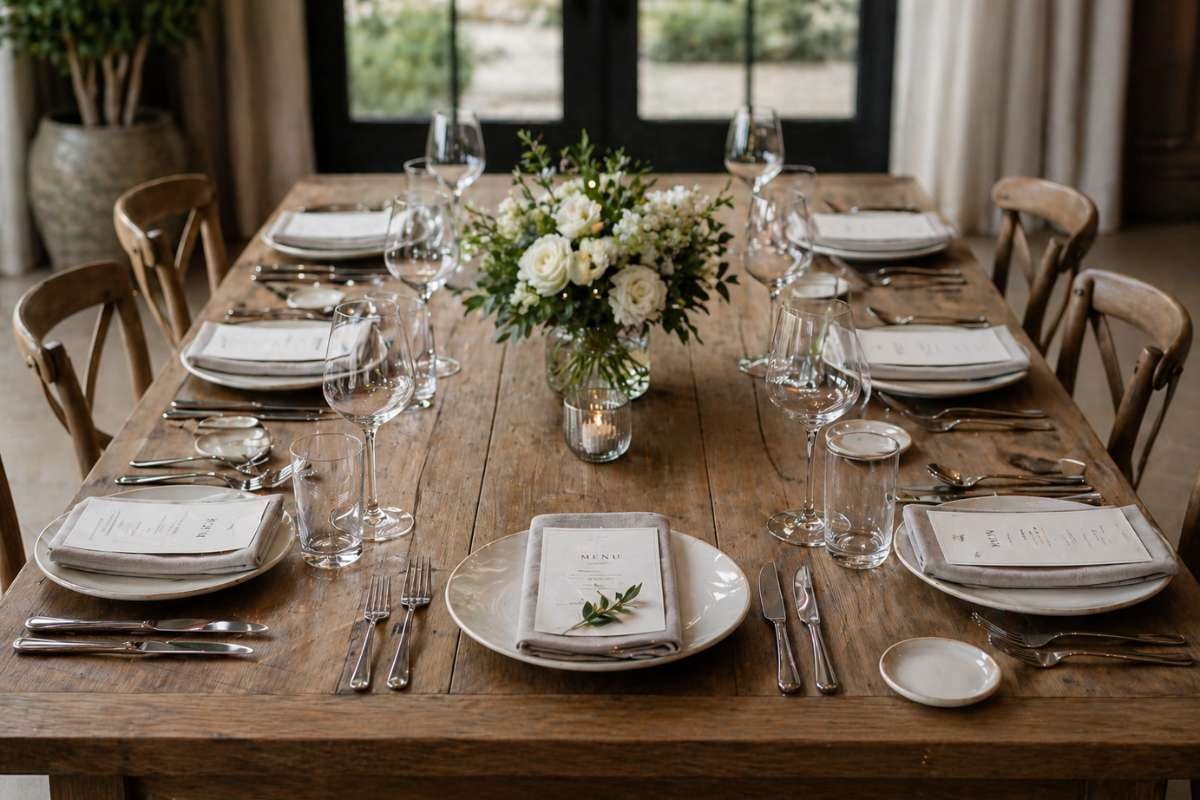
A well-organized table instantly communicates elegance. Straight cutlery, aligned menus, and centered décor create a calm and polished appearance.
Negative space plays a key role here. Instead of filling every inch, allowing room between elements adds sophistication and clarity.
Chic design often relies on precision rather than decoration, proving that thoughtful placement can have more impact than adding extra details.
6. Soft Yet Grand Styling
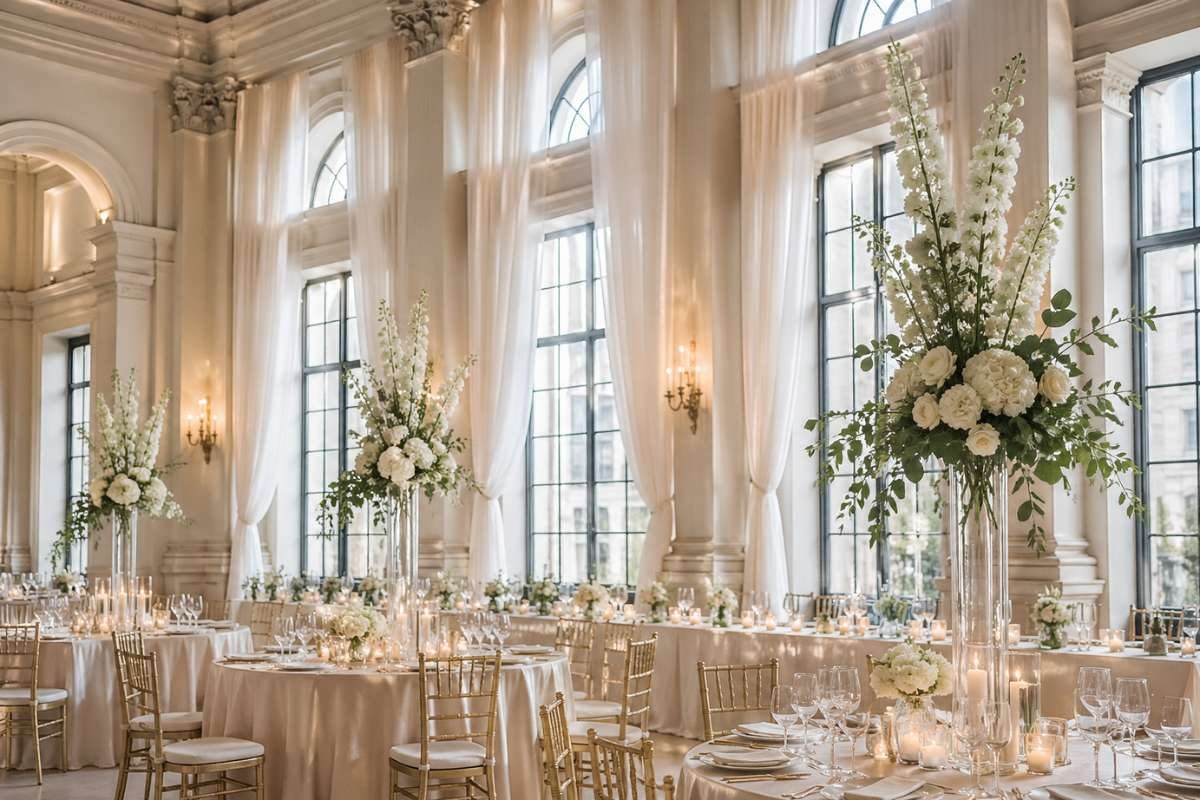
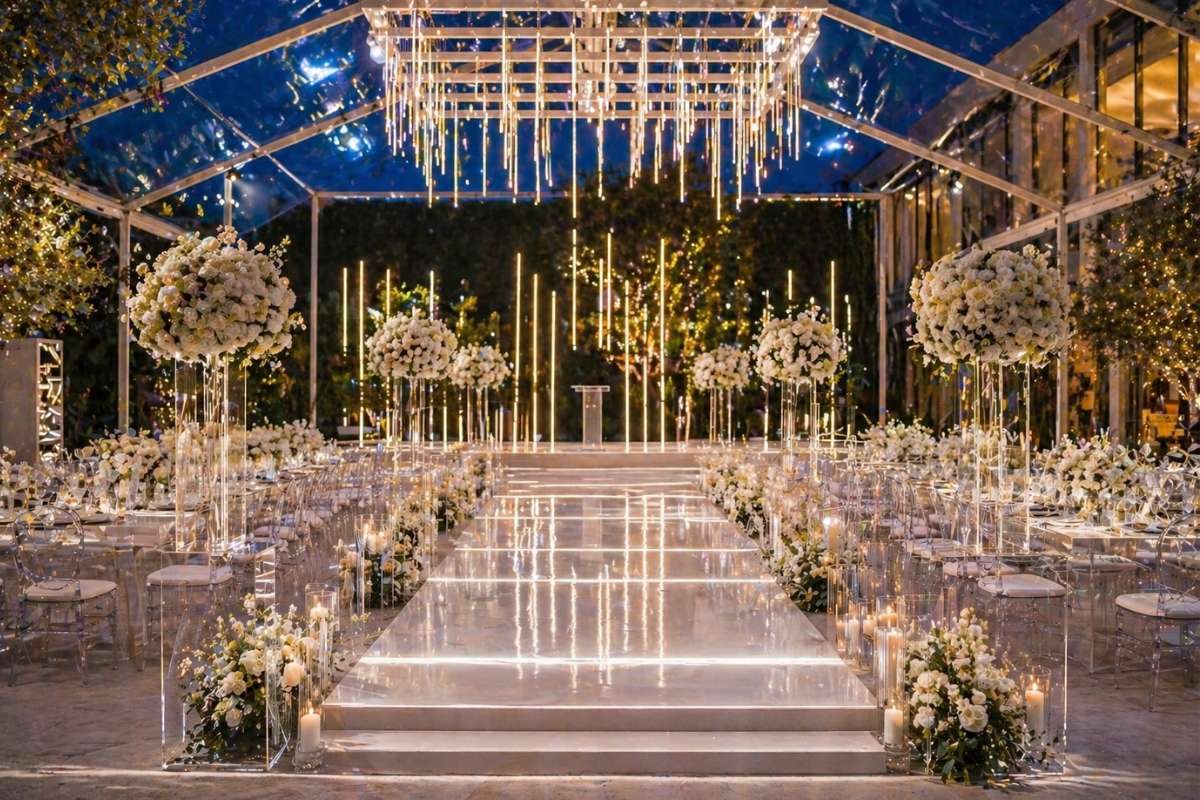
Grandeur does not require excess. Soft draping and vertical elements can elevate a space while maintaining a light and airy feel.
Tall florals and glass accents draw the eye upward, creating a sense of height without heaviness. This keeps the environment elegant yet comfortable.
This style works especially well in venues with strong architectural features, where décor enhances rather than competes with the existing structure.
7. Lighting That Guides the Eye
Lighting can shape how guests experience a space. Thoughtfully placed candles create a natural flow that draws attention to key areas.
Supporting elements like linens and glassware should remain subtle, allowing the glow to lead visually. This creates a warm and inviting environment.
When used correctly, lighting becomes more than decoration—it becomes the emotional centerpiece of the entire design.
8. Controlled Use of Bold Colors
Bold colors can still feel chic when used with intention. The key is repetition and balance rather than random placement.
When colors appear consistently across linens, florals, and details, the design feels cohesive instead of chaotic. This creates harmony within a vibrant palette.
Chic styling allows for creativity while maintaining structure, proving that bold choices can still feel refined when thoughtfully executed.
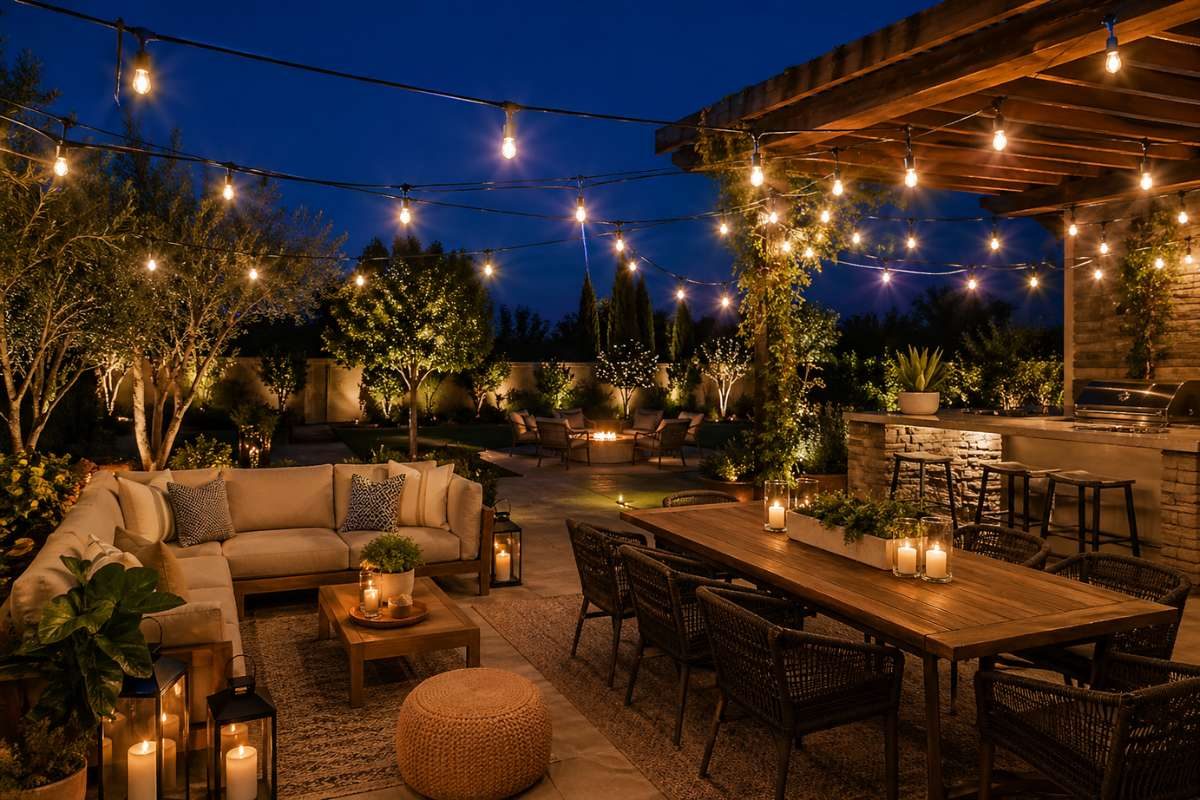
9. Elevated Outdoor Lighting Design
Outdoor spaces often feel incomplete without structure. Adding overhead lighting creates a defined environment without enclosing the area.
String lights or suspended bulbs draw the eye upward, giving the space depth and cohesion. This transforms open areas into intimate settings.
When paired with simple décor, lighting becomes the defining feature, creating a polished look without overwhelming the natural surroundings.
10. Statement Centerpiece Focus
A single standout element can define an entire table. Instead of layering multiple focal points, choose one feature to carry the design.
This could be a detailed cake, a bold floral arrangement, or a unique installation. Supporting elements should remain subtle to maintain balance.
This approach prevents visual clutter and ensures that the overall design feels intentional and confident rather than overly styled.
11. Eye-Catching Ceiling Installations
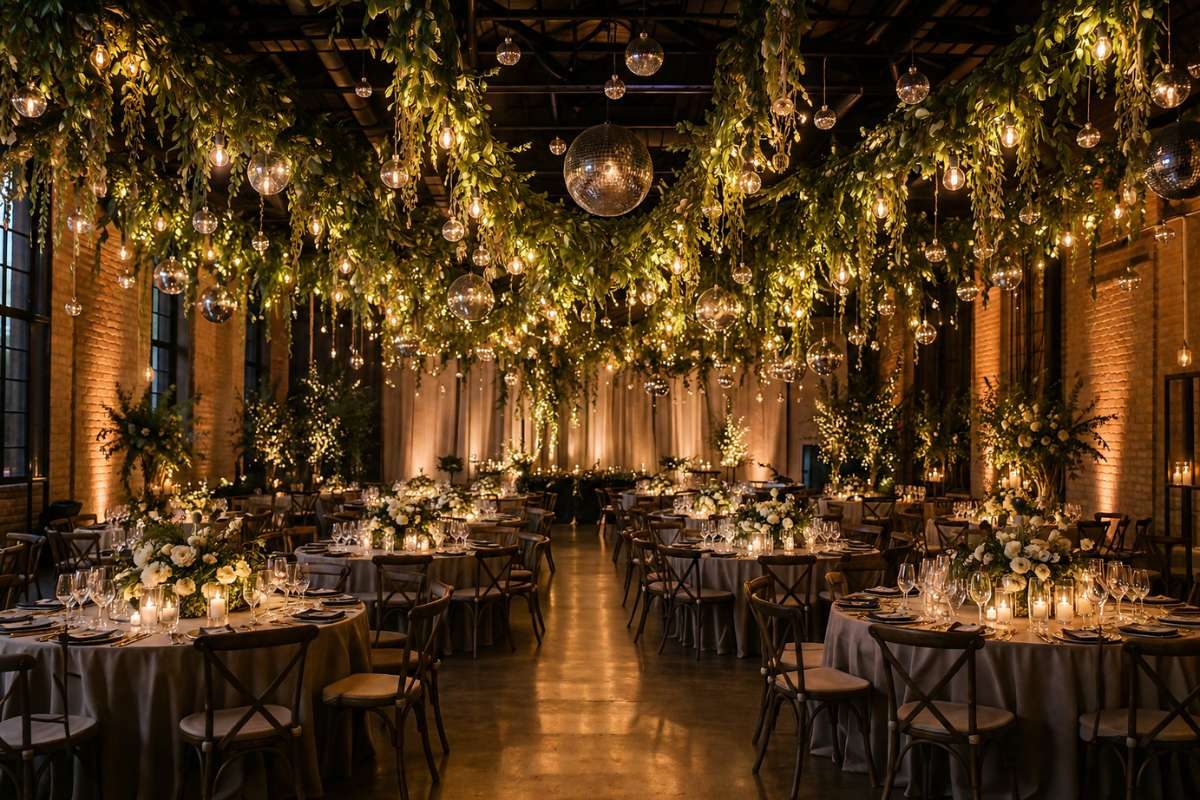
Designing upward adds impact without crowding tables. Hanging greenery, lights, or reflective elements create visual interest above guests.
This technique transforms simple setups into immersive environments while keeping table designs clean and functional.
Ceiling décor is especially effective in large or industrial venues, where vertical elements help soften the space and create a more intimate atmosphere.
12. Balanced Contrast in Design
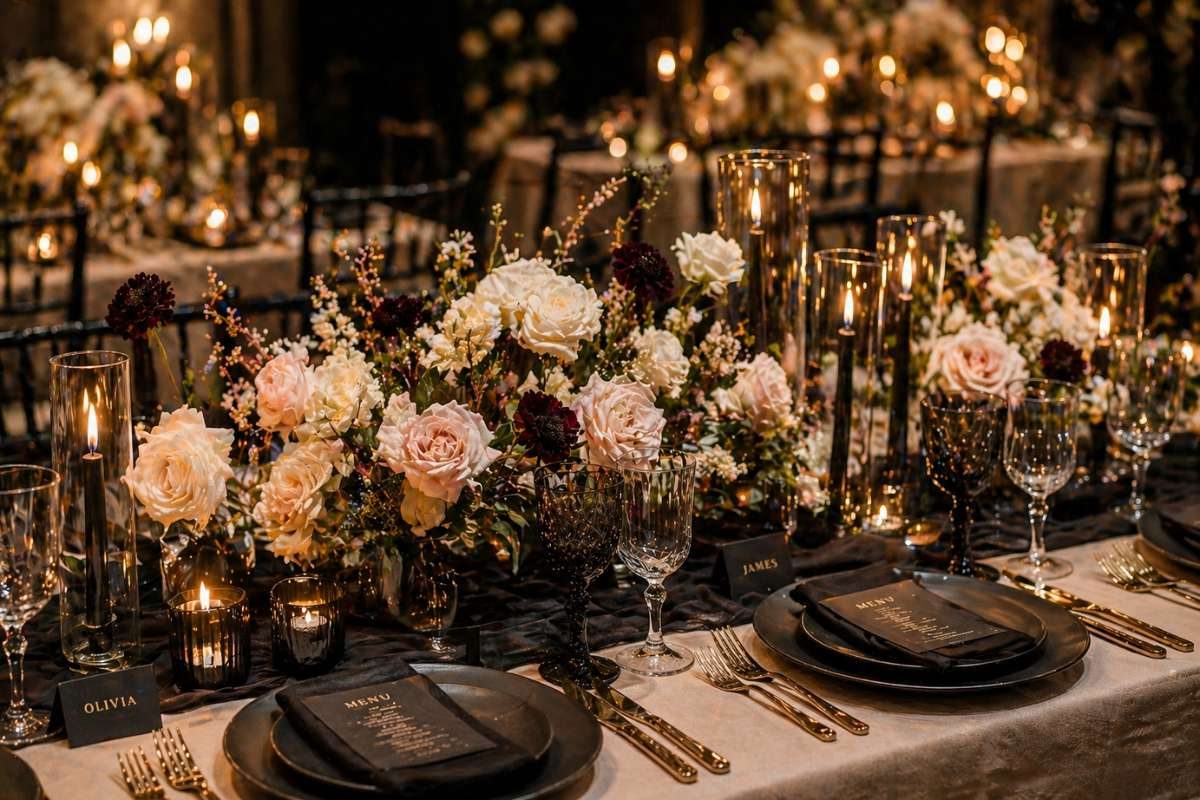
Contrast adds depth to a chic wedding. Pairing soft florals with darker tableware creates a refined and grounded look.
This balance prevents the design from feeling overly delicate or too heavy. Each element complements the other, resulting in a cohesive aesthetic.
Chic styling often relies on this interplay between light and dark to achieve a sophisticated and modern feel.
13. Welcoming and Styled Entrances
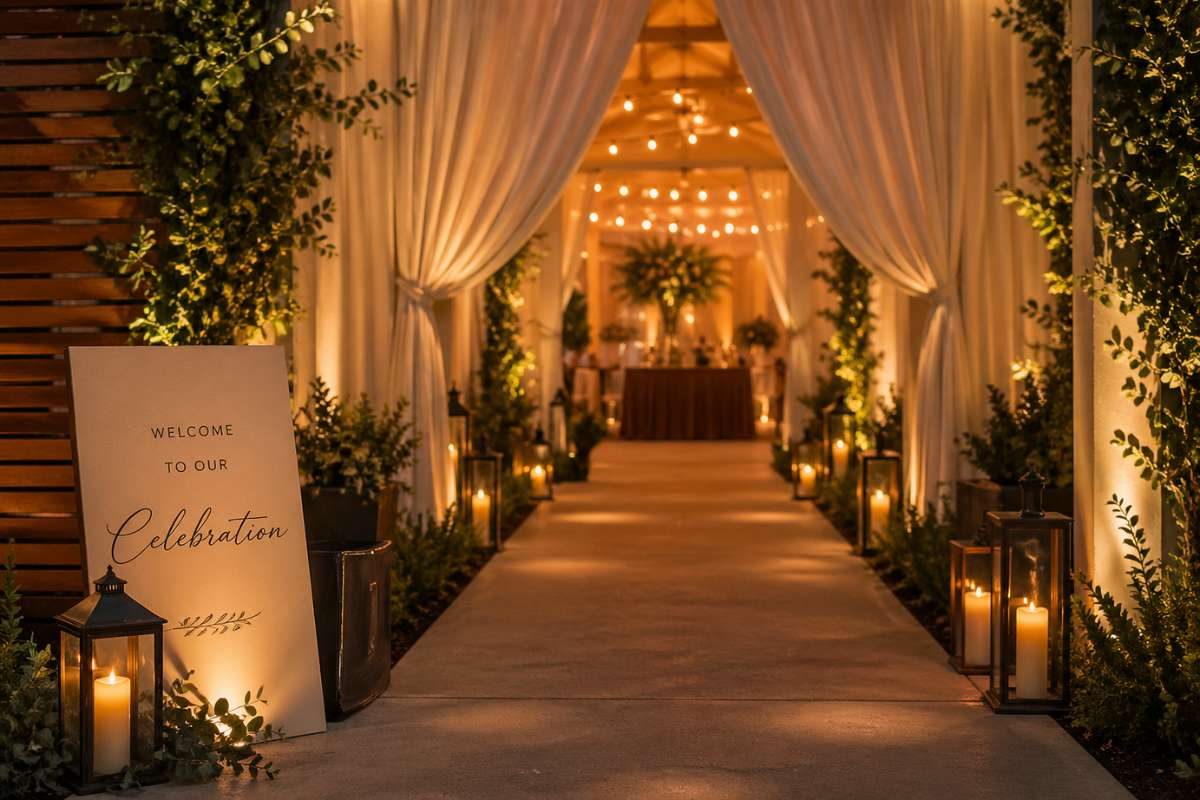
First impressions matter. A thoughtfully designed entrance sets the tone before guests even reach the main space.
Using warm lighting and subtle textures creates an inviting atmosphere without needing elaborate structures.
A simple yet intentional entryway prepares guests for the experience ahead, reinforcing the overall design direction from the very beginning.
14. Stylish Entertainment Spaces
Functional areas can also be part of the design. Instead of hiding entertainment setups, incorporate them into the overall aesthetic.
Using materials and lighting that match the theme ensures these elements feel cohesive rather than separate.
This approach reflects confidence in design, showing that every part of the wedding can contribute to the visual experience.
15. Deep and Moody Table Settings
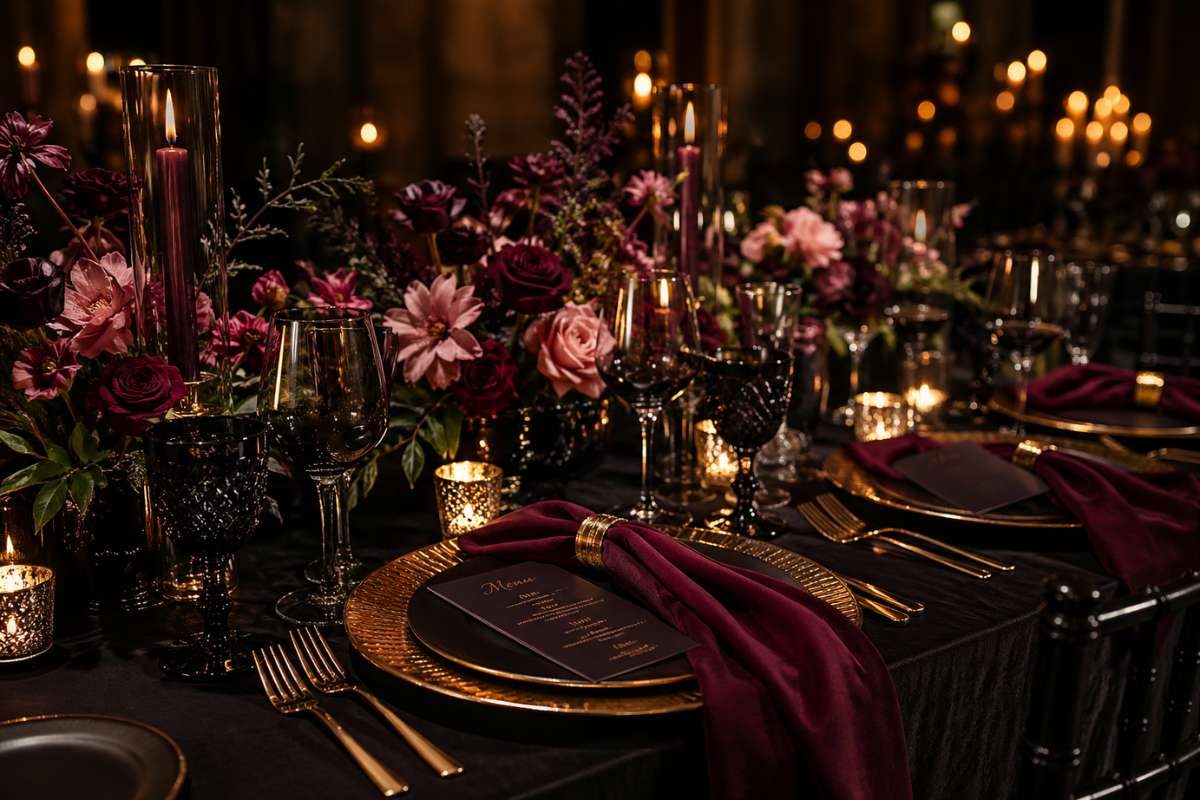
Dark tones create intimacy and sophistication. Rich linens paired with candlelight produce a warm and elegant atmosphere.
Soft florals help balance the depth, ensuring the table does not feel too heavy. Gold or metallic accents can add a refined touch.
This style is ideal for evening receptions, where lighting enhances the richness of the color palette and creates a memorable ambiance.
16. Modern and Futuristic Layouts
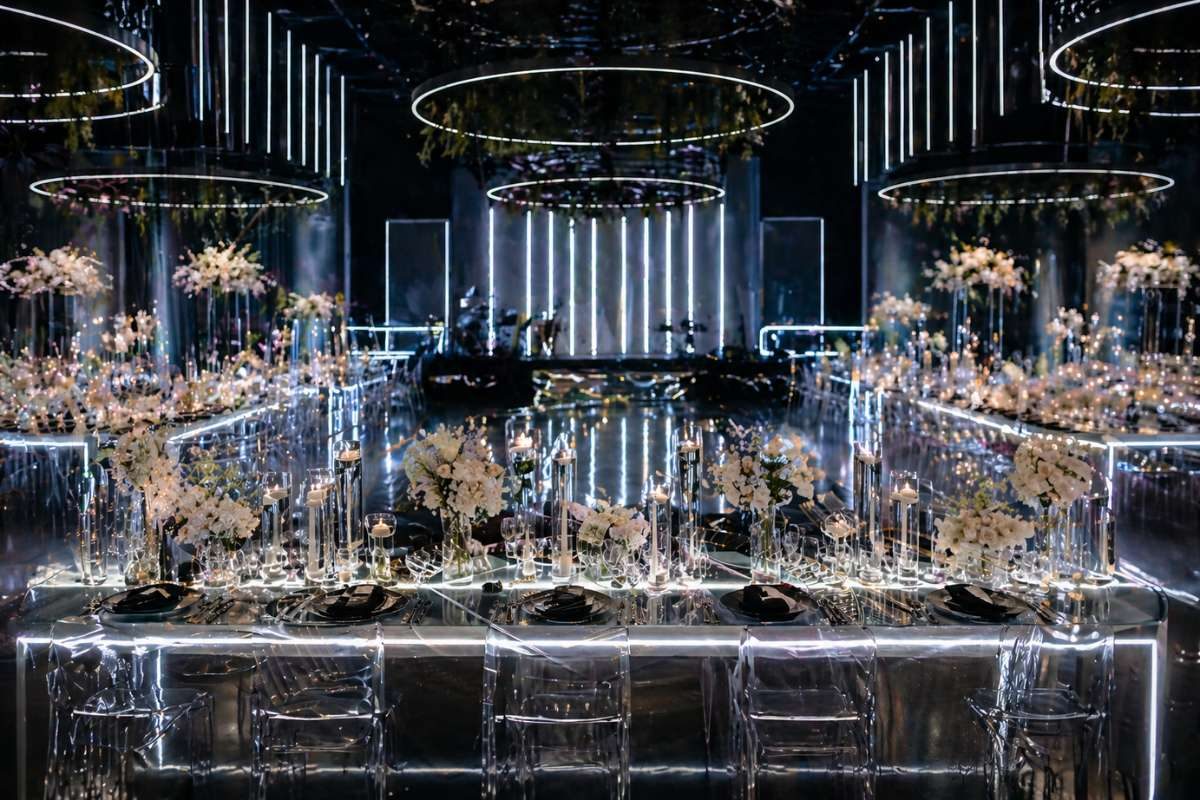
Symmetry and lighting can create a bold, modern look. Clean lines and structured layouts guide the eye through the space.
Using transparent or reflective materials keeps the design light while adding visual interest. This prevents the space from feeling heavy.
This approach is perfect for couples who want a chic wedding that feels contemporary and forward-thinking rather than traditional.
17. Balanced Garden-Inspired Design
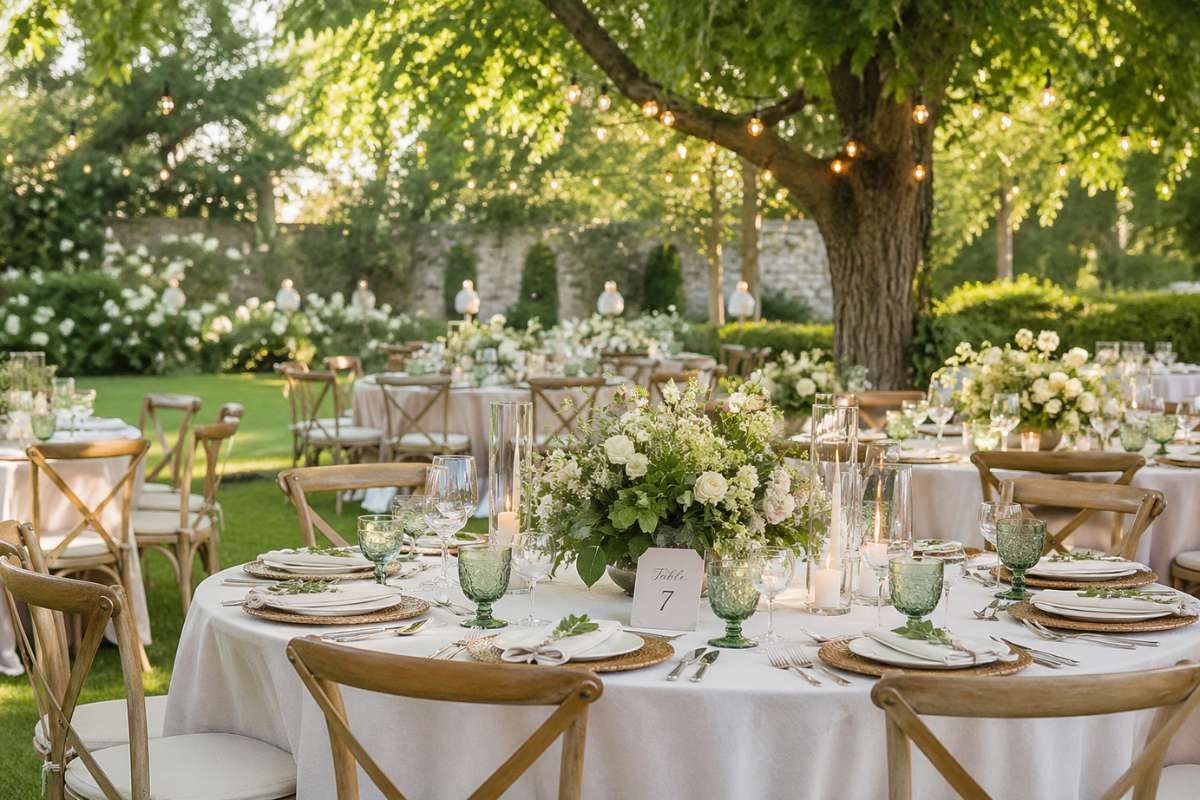
Outdoor weddings benefit from simplicity. Let natural light and greenery lead while keeping décor minimal and intentional.
Adding small accents, like colored glassware, introduces contrast without overwhelming the setting.
This creates a harmonious balance where every element feels connected, resulting in a design that is both elegant and relaxed.
18. Immersive Candlelit Experience
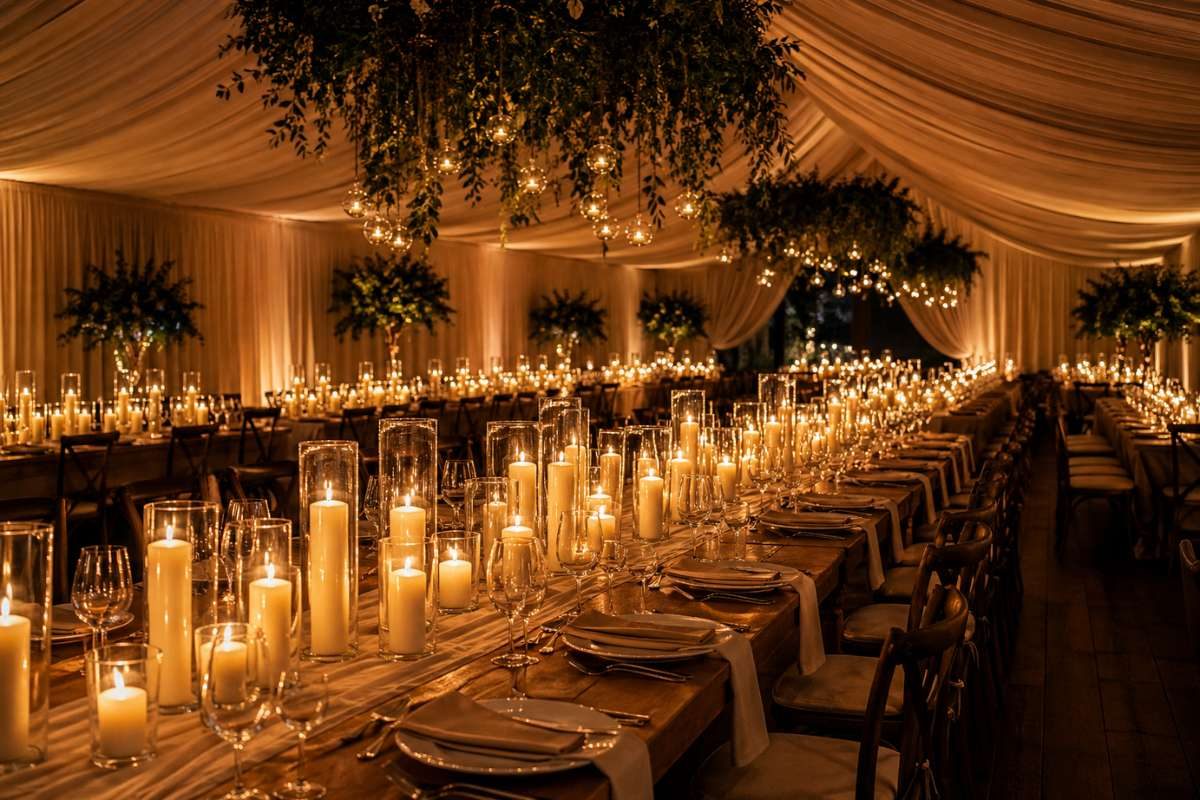
Using candles as the main design feature creates a powerful visual impact. Rows of lights can replace traditional centerpieces entirely.
This repetition builds atmosphere and creates a sense of unity across the space. Draping and soft textures enhance the effect.
The result is a warm, intimate environment that feels luxurious without relying on excessive décor or bold color schemes.
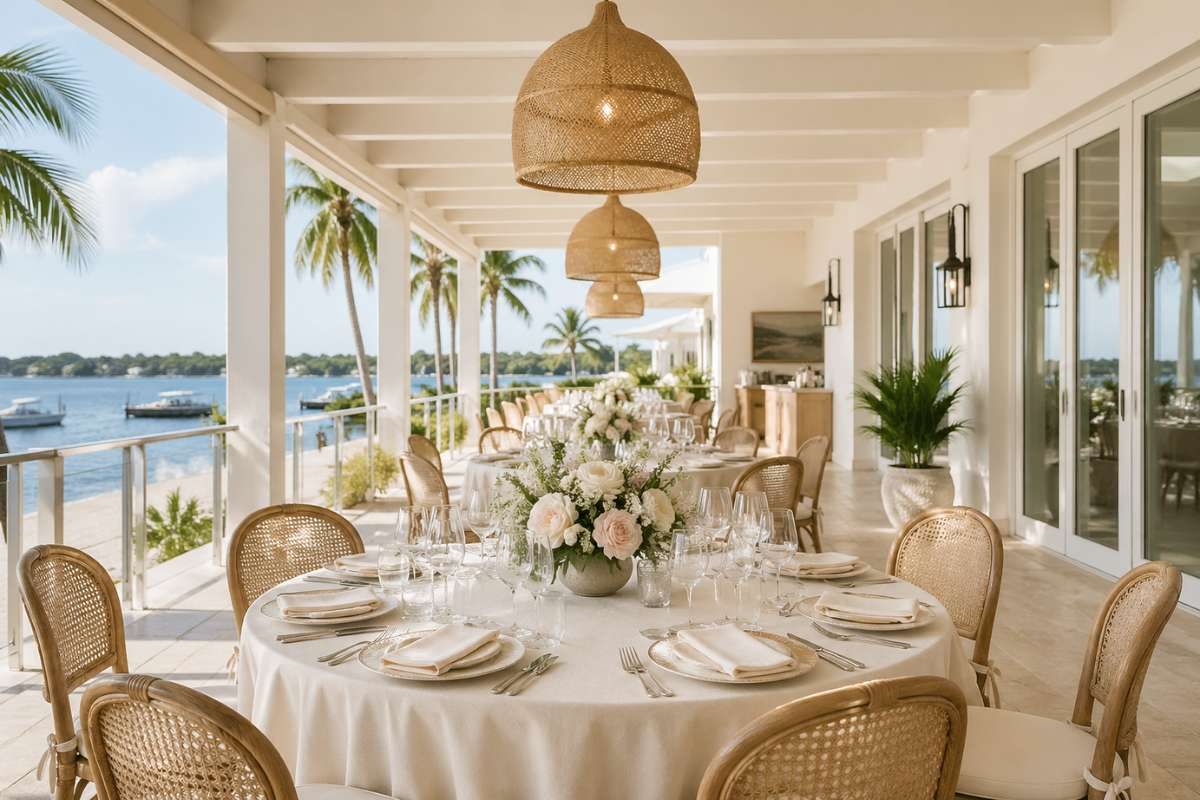
19. Coastal-Inspired Light and Airiness
For waterfront settings, simplicity is key. Neutral tones and soft florals allow the surroundings to remain the highlight.
Overhead lighting adds structure while maintaining open views. This ensures the space feels complete without blocking natural beauty.
By focusing on light and flow, the design feels effortless, capturing a relaxed yet polished coastal aesthetic.
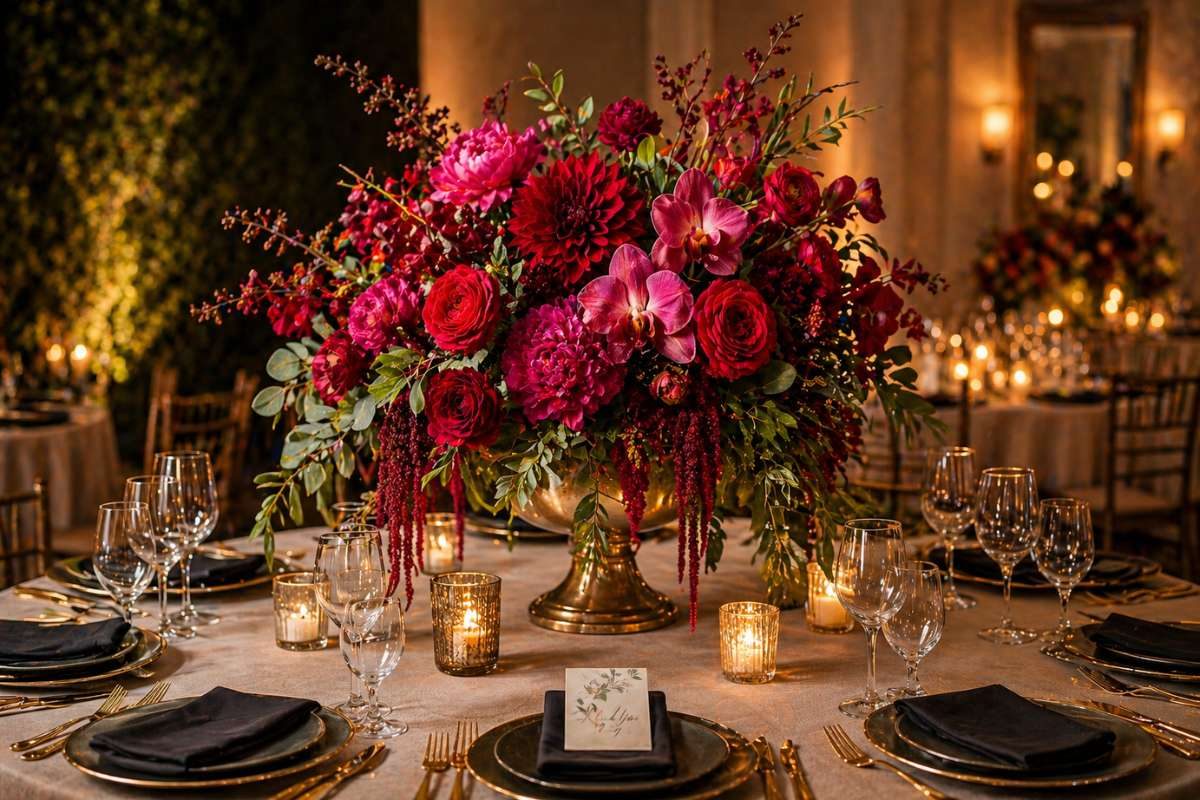
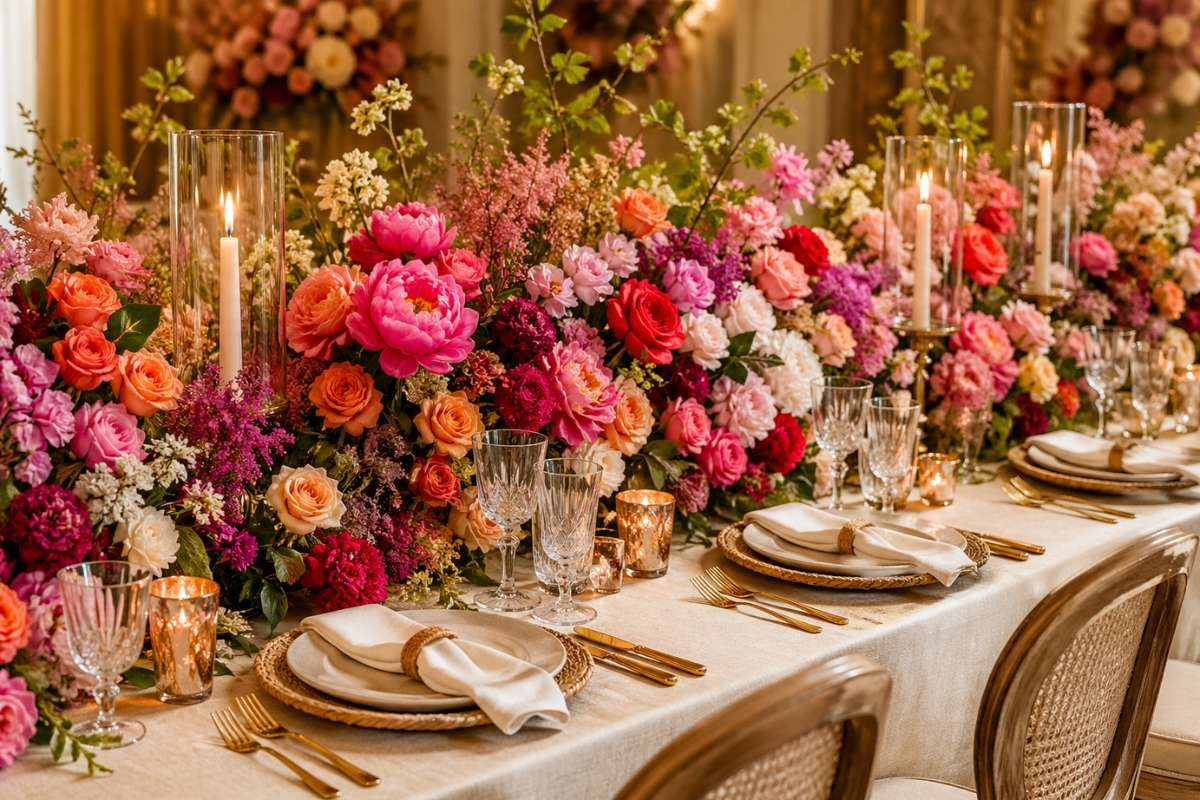
20. Rich and Abundant Floral Styling
Chic design does not always mean minimal. Lush florals can create a bold and confident statement when used thoughtfully.
Balancing vibrant blooms with neutral linens and natural textures keeps the design grounded. This prevents the look from becoming overwhelming.
When done correctly, abundance feels intentional and warm, creating a memorable setting that still maintains elegance and control.
FAQs
Is creating a chic wedding expensive?
A chic wedding does not require a large budget. It relies on intentional decisions rather than quantity.
Focusing on fewer elements—like lighting, spacing, and a limited color palette—often creates a stronger impact than layering décor.
By prioritizing quality over quantity, you can achieve a refined look while staying within budget.
Can a simple wedding still look chic?
Absolutely. Simplicity often enhances a chic aesthetic. Smaller weddings naturally allow for better cohesion and attention to detail.
With fewer elements to manage, it becomes easier to maintain balance and clarity throughout the design.
When every detail feels intentional, even the simplest setup can look polished, elegant, and beautifully styled.
